Sustainable Sourcing in Kenya: What Buyers Need to Know
A buyer-focused guide to ethical, traceable and climate-aware agricultural sourcing
By Njeri Karanja
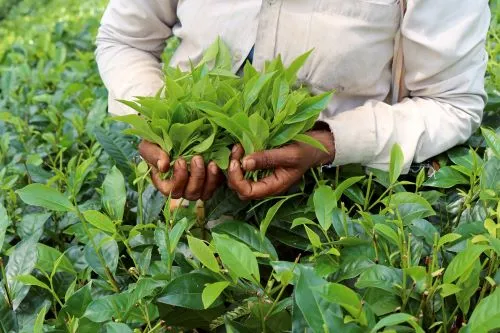
Global buyers increasingly expect transparency, ethical practices, and environmental care from Kenyan suppliers. This guide explains the certifications, farm practices, and due diligence steps that build trust and protect your brand.
In This Article
GlobalGAP is the most common certification for agricultural exports from Kenya. It covers worker safety, environmental impact, and food safety controls.
Rainforest Alliance adds a stronger focus on biodiversity, social welfare, and community development. Many European buyers now expect it for fresh produce and tea.
Fairtrade and organic certifications are also important for premium markets. They support higher price points when the claims are supported by credible documentation.
Soil health management is a leading indicator of sustainability. Ask whether farms use cover crops, compost, and reduced chemical inputs.
Water use is another key area. Efficient irrigation, rainwater harvesting, and reuse systems demonstrate that farms are managing scarce resources responsibly.
Worker welfare and community engagement are essential. Buyers should verify living wages, protective equipment, and fair work conditions.
Key Takeaways
- ✓Which marks buyers should trust
- ✓What buyers should verify beyond certificates
- ✓How to make sure your supply chain is accountable
Bottom Line
Sustainable sourcing from Kenya is both a responsible choice and a competitive advantage. Buyers who prioritize credible certification, traceability, and long-term supplier partnerships will see better quality and stronger market acceptance.
Njeri Karanja
Export specialist and market analyst at Equator Crest Exporters Limited with 15+ years of experience in agricultural trade.