
Managing Currency Risk in Kenyan Agricultural Trade
Practical strategies for importers to protect margins when paying for Kenyan exports
By David Karanja
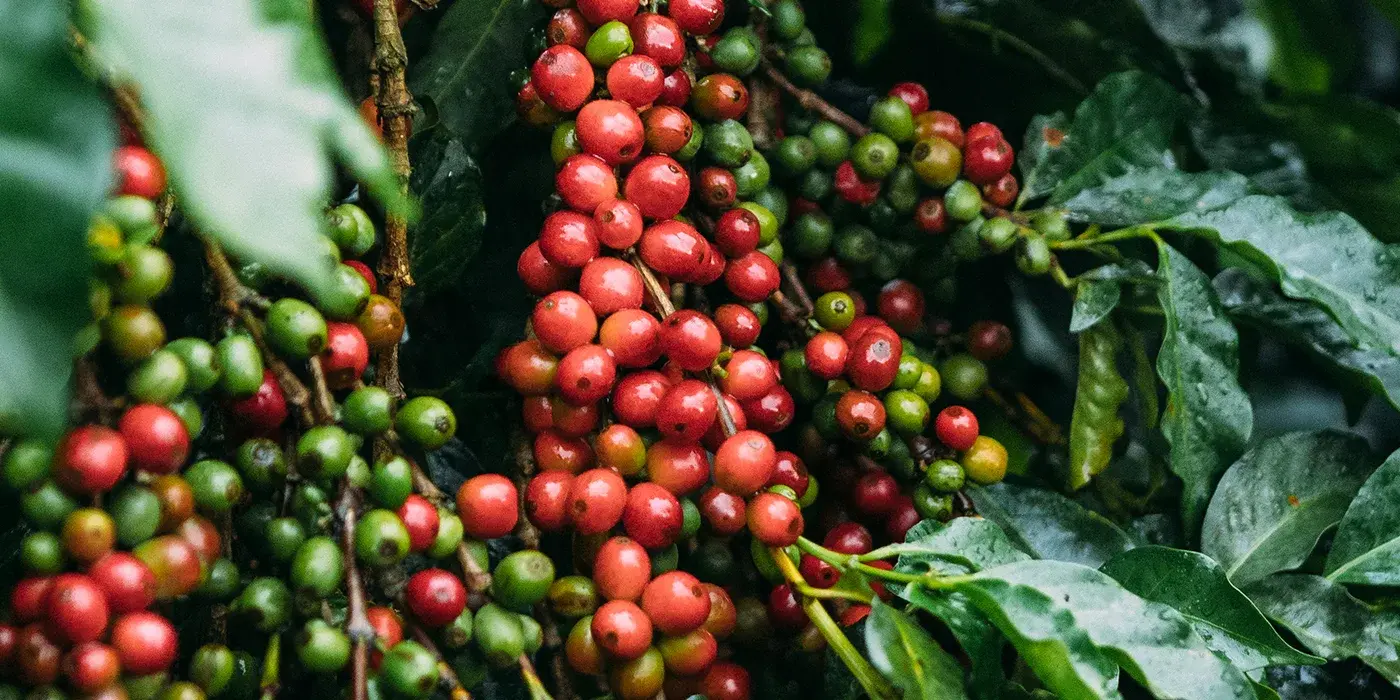
Currency volatility is a constant factor in Kenyan agricultural trade. This article outlines practical ways buyers can reduce exposure and keep costs predictable when importing avocados, tea, coffee or other produce.
In This Article
The main currency pair is USD/KES, since most Kenyan exporters price in USD. If you pay in EUR, GBP, or local currency, you also need to monitor your home currency against USD.
Kenyan suppliers may offer USD pricing with payment in KES at an agreed rate. Clarify the calculation method and whether the rate is fixed or based on the spot market.
Work with your finance team to understand how currency movements affect landed cost, especially when freight, insurance, and duties are priced in different currencies.
Forward contracts are the most common tool for hedging currency risk. They let you fix a rate today for payment on a future date.
For Kenyan imports, a 30- to 90-day forward contract is often appropriate, matching the typical shipment and payment cycle.
Be mindful of fees and margin requirements. Smaller buyers may face higher costs for hedging, but the protection can still be worth it when rates move sharply.
Key Takeaways
- ✓What exchange rates matter most for Kenyan trade
- ✓How to lock in a rate for future payments
- ✓Reduce exposure through contract structure
Bottom Line
Currency risk is manageable when you combine good contract terms, appropriate hedging, and timely payment planning. Use these strategies to protect your Kenyan agricultural purchases and preserve profitability.
David Karanja
Export specialist and market analyst at Equator Crest Exporters Limited with 15+ years of experience in agricultural trade.