
Multi-Commodity Wholesale Strategy: Sourcing Tea, Coffee, Oils from Kenya
How to build a diversified African agricultural wholesale business
By David Karanja
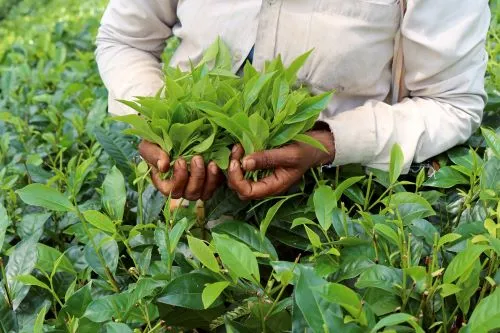
Successful agricultural wholesalers don't rely on single products. This guide shows how to build a diversified wholesale strategy sourcing tea, coffee, avocados, and oils from Kenya.
In This Article
Supply continuity: Different seasonal patterns (avocados Feb-Oct, tea Apr-Oct, coffee Sep-Mar) ensure year-round supply.
Customer loyalty: Offering multiple products increases customer stickiness. A retailer buying 3+ categories shops less with competitors.
Risk mitigation: If one product faces supply issues or price volatility, other products stabilize revenue.
Shipping efficiency: Consolidating multiple products in containers improves freight economics.
Supplier relationships: Work with same exporters across categories to increase leverage and trust.
Core triad: Avocados (fresh), tea (packaged), coffee (green beans). Natural fit for retailers and food service.
Oil expansion: Add avocado oil, macadamia oil, or sesame oil as complementary premium products.
Dried goods: Include dried fruit, nuts, or specialty grains for complete offering.
Horticulture: Add fresh flowers, herbs, or specialty vegetables for florists and premium retailers.
Strategy: Start with 2-3 core products, then expand based on customer demand.
Key Takeaways
- ✓Why wholesalers benefit from product diversity
- ✓Which commodities to source together
- ✓Working with multi-product Kenyan suppliers
Bottom Line
Multi-commodity wholesaling from Kenya creates synergies in sourcing, logistics, and customer relationships. Start with 2-3 core products and expand strategically as you build customer base and operational expertise.
David Karanja
Export specialist and market analyst at Equator Crest Exporters Limited with 15+ years of experience in agricultural trade.